
Riccitelli Milano manufactures streetwear in Italy for fashion brands: heavyweight hoodies and sweats, oversized tees, workwear jackets, cargo trousers, technical outerwear and the cut and sew pieces that carry a label’s identity. Streetwear at the luxury end is not casualwear, it is construction dressed as casualwear, and the difference is entirely in how it is made.
We are a fashion production agency in Milan. A brand hires us and we produce the collection, answering for the result at every stage.
Why heavyweight is harder, not easier
The market decided that weight signals quality, and a 400 or 500 gram loopback fleece does feel substantial. What brands discover late is that heavy cloth is much harder to make well.
Seams carry more load. A heavy garment puts real stress on shoulder and armhole seams, so they need taping or twin needle construction rather than a single line of stitching.
Bulk at the joints. Heavy fleece multiplies at the cuff, the hem and the hood seam. Without construction decisions that reduce it, the garment looks lumpy exactly where the eye goes.
Shrinkage is amplified. A heavy cotton that shrinks four per cent moves a lot more centimetres than a light one. Garment washing and pre shrinking are not finishing touches here, they change the pattern.
The hood is a garment in itself. A hood that collapses flat against the back, or that will not sit up, is the fastest way to make an expensive hoodie look cheap. It needs its own pattern work, a proper three panel or two panel construction and often a lined or bound edge.
Oversized is a pattern, not a size up
This is the equivalent of the modest mistake, and it is just as common. Producing an oversized piece by grading a standard block up two sizes gives you a garment that is wrong everywhere: the shoulder falls in the wrong place, the armhole drops without the sleeve being redrawn, the body widens but the length does not follow.
A proper oversized block is drafted as its own pattern, with the shoulder seam placed deliberately, the armhole and sleeve head redrawn together and the proportion between body width and length controlled. It is more work at the start and it is the difference between a considered piece and a big one.
What we produce
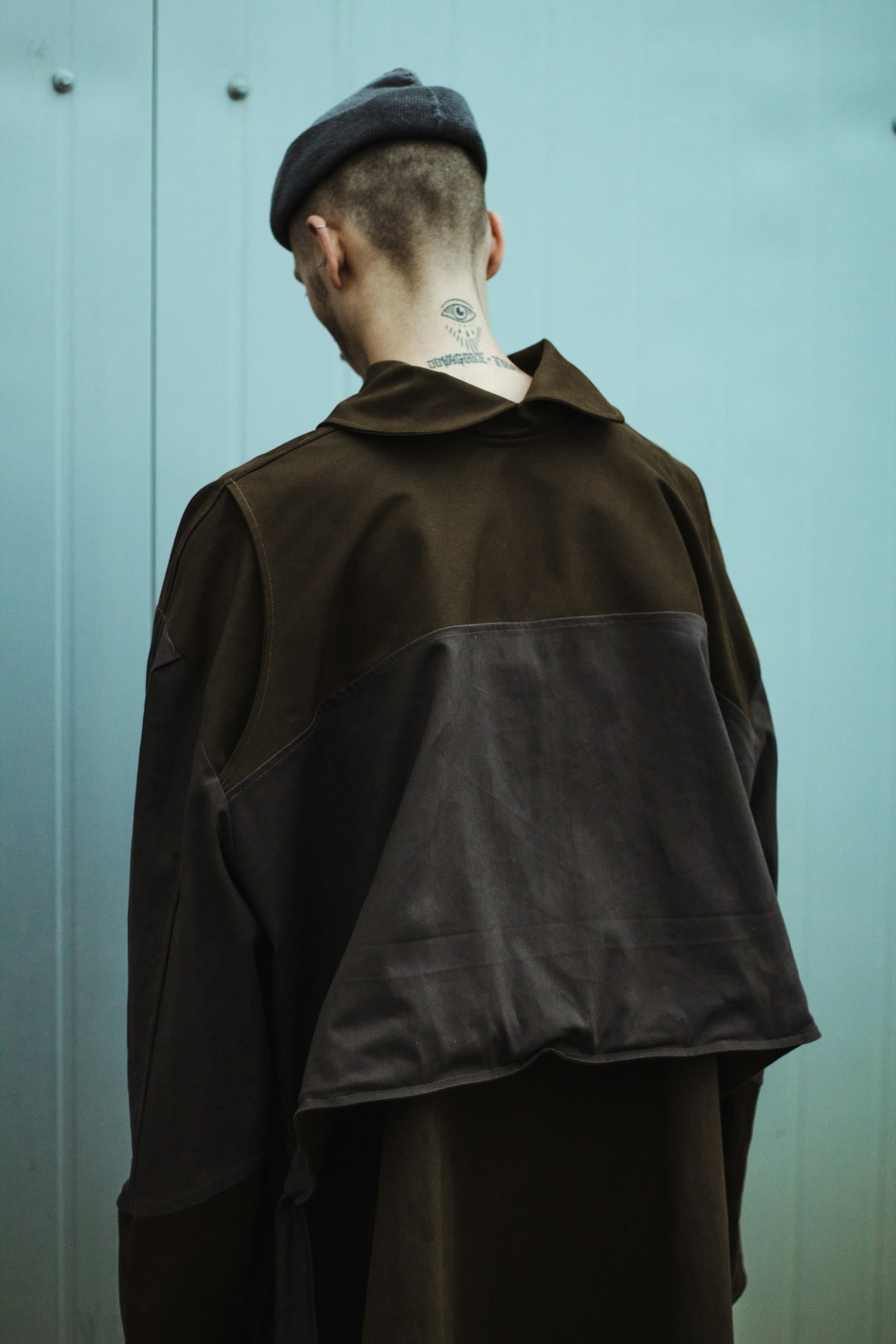
Heavyweight hoodies, crewnecks and sweatpants in loopback, French terry and brushed fleece. Oversized tees and long sleeves, produced alongside jersey and t-shirt production. Workwear jackets, chore coats and overshirts in canvas, twill and moleskin. Cargo and utility trousers. Technical outerwear and shells. Knitted pieces through knitwear, denim through premium denim, leather through leather apparel.
Graphics and embellishment: screen print, puff and high density print, embroidery and appliqué through our embroidery specialists, plus woven labels and packaging through labels, tags and packaging.
Finishing is the aesthetic
Garment dyeing, enzyme and stone washing, over dyeing and pigment finishes are what give streetwear its character, and they all change the garment’s dimensions. That means the finish has to be decided before the pattern is finalised, not chosen afterwards from a sample rail. A brand that adds a wash late loses the fit it signed off.
Print and embroidery placement also has to be planned against the cut, because a graphic that sits correctly on a flat piece can land wrong once the garment is assembled and worn.
Cloth
Loopback and French terry specified by weight in grams per square metre, by yarn and by knit construction. Combed and compact cottons for a cleaner surface and less pilling. Canvas, twill and moleskin for workwear pieces. Everything tested for shrinkage after the intended wash, for torque and for pilling, before booking. See fabric sourcing in Italy.
How a streetwear project runs
Flats with seam types, hood construction, finish and graphic placement all specified. Patterns drafted as their own oversized blocks where the silhouette requires it. Samples made, then washed and finished exactly as production will be, because a streetwear sample judged raw tells you nothing about the garment that ships. Corrections into the pattern, size set proven, approved sample as the reference. See pattern making and sampling.
Quantities
Minimums follow the fabric and the finish, since dye lots and wash batches both carry thresholds. See low minimum order production and capsule collections.
Frequently Asked Questions
Is heavyweight fleece harder to produce?
Yes. Heavy cloth puts more load on the shoulder and armhole seams so they need taping or twin needle construction, it builds bulk at cuffs, hems and the hood seam, and its shrinkage moves far more centimetres than a light cloth. Weight signals quality to the customer and costs the producer real work.
How do you make an oversized piece properly?
By drafting it as its own block, not by grading a standard one up two sizes. The shoulder seam is placed deliberately, the armhole and sleeve head are redrawn together, and the relationship between body width and length is controlled. Sizing up gives you a big garment, not an oversized one.
Why do expensive hoodies still look cheap?
Usually the hood. A hood that collapses flat or will not stand needs its own pattern work, a proper two or three panel construction and often a bound or lined edge. It is the first thing the eye reads and the first thing skipped in cheap production.
When do you decide on garment dyeing or washing?
Before the pattern is finalised, always. Every wash and dye process changes the garment’s dimensions, so a finish added late destroys the fit that was already signed off. It belongs in the tech pack from the first sample.
Do you handle prints and embroidery?
Yes: screen, puff and high density print, embroidery and appliqué, plus woven labels. Placement is planned against the cut, because a graphic that looks right on a flat panel can land wrong once the garment is assembled and worn.
Do you judge streetwear samples washed?
Yes, washed and finished exactly as production will be. A sample judged raw tells you nothing about the garment that ships, because the finish is where most of the dimensional change happens.
Can you produce streetwear in small runs?
Yes, though minimums follow both the fabric and the finish, since dye lots and wash batches each carry their own thresholds. Tell us the styles and quantities and we tell you what works.
Produce your streetwear in Italy
Send a reference garment, a fabric or a finished tech pack and we tell you what it takes to build it. Contact our Milan studio, or see all fashion production services.
Leave your details and continue to the project form. Your answers are saved as you type, so you can stop and come back to it.