
The skirt is a deceptively simple garment that offers enormous range, from sleek and tailored to full and flowing. Behind this versatility lies a craft of construction that shapes a skirt’s silhouette, fit and movement. Understanding how skirts are made reveals the thought that goes into even the most apparently straightforward design.
For designers, mastering the skirt opens up a wealth of expressive possibility.
The Range of Silhouettes
Skirts come in many silhouettes, each with its own character and construction logic. A pencil skirt is fitted and precise, an A-line offers gentle flare, and a full skirt creates volume and drama. Each silhouette calls for a different approach to pattern and construction.
Choosing the right silhouette is a foundational design decision, closely tied to the broader principles of proportion and silhouette.
The Importance of the Waist
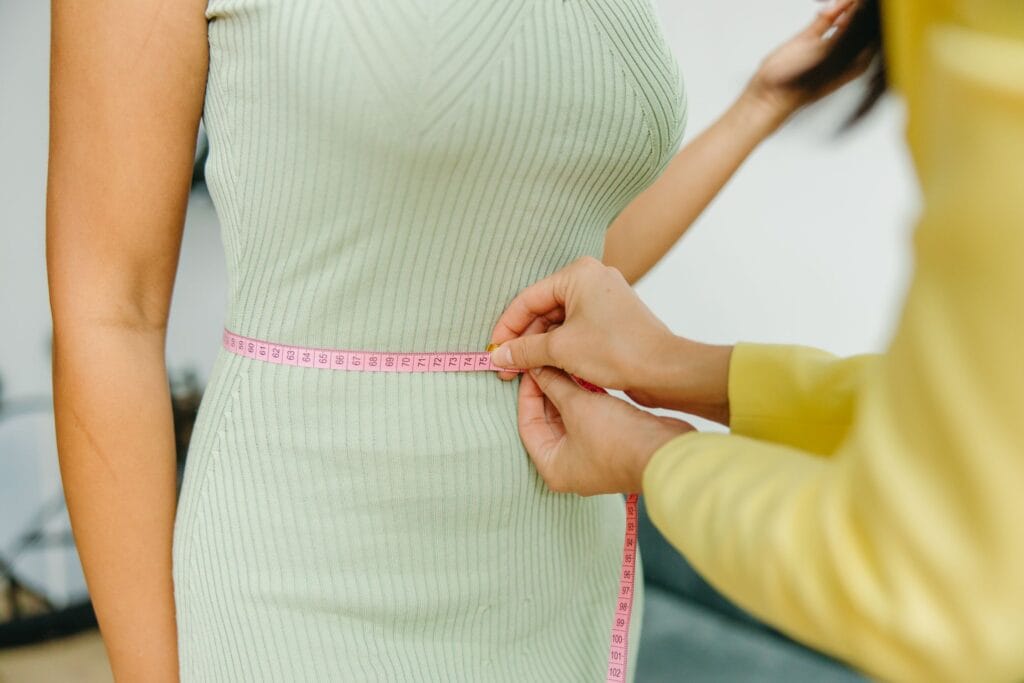
The waist is central to a skirt’s fit and comfort. Whether through a waistband, a facing or a more structured treatment, the way the skirt meets the waist determines how it sits and feels. A well-constructed waist allows the skirt to hang correctly and comfortably.
This area requires careful pattern work and construction, as it carries the garment and shapes its relationship to the body.
Creating Movement
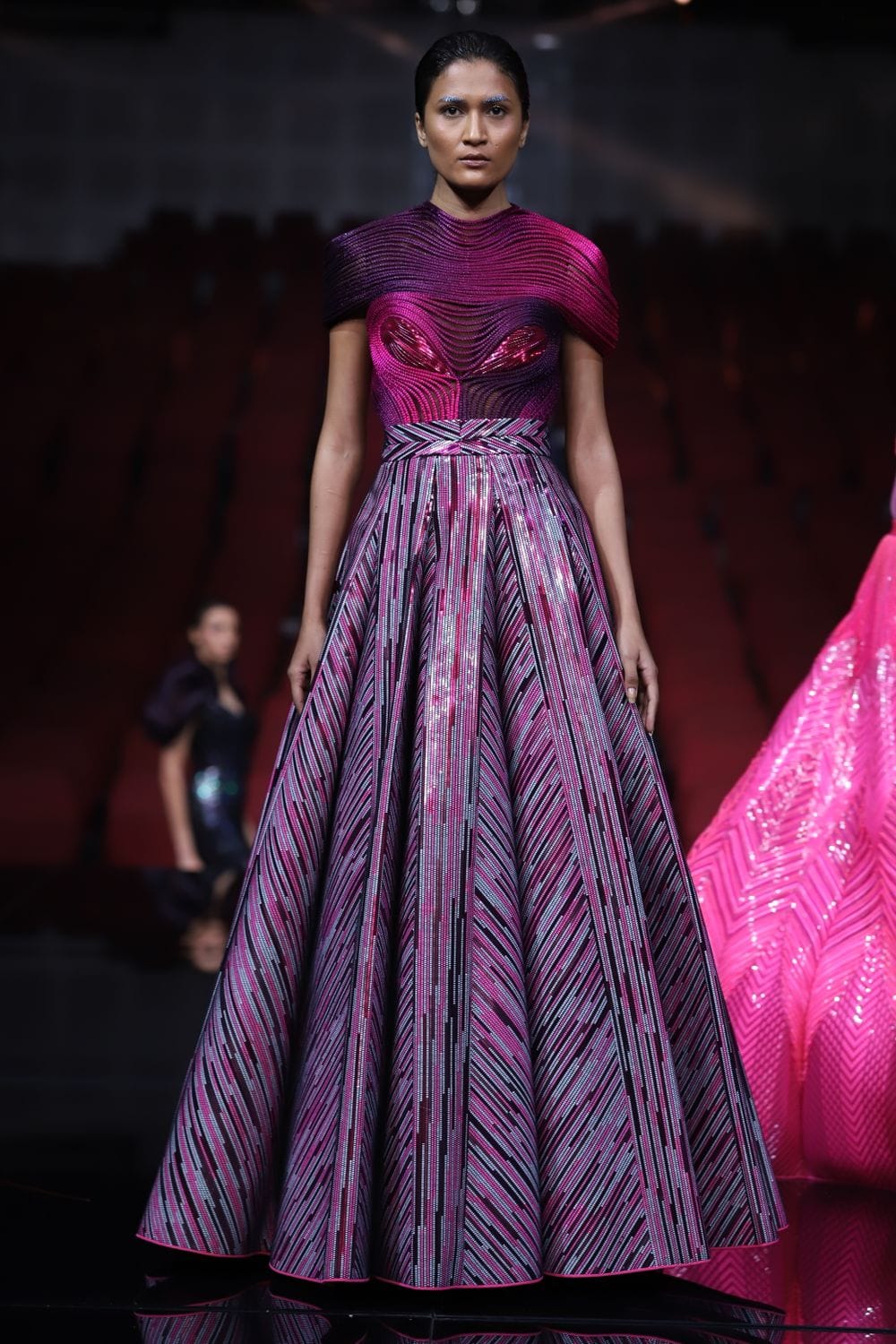
Much of a skirt’s beauty lies in how it moves. Techniques such as pleating, gathering and the use of bias cutting all introduce movement and volume, transforming a flat length of cloth into something dynamic. The choice of fabric works together with these techniques to create the desired effect.
These methods, explored in our look at pleating and tucks, give a skirt its life and character.
Details and Finishing
The quality of a skirt shows in its details. A clean hem, a well-set zip or closure, and a neat waist finish all contribute to a refined result. Linings, where used, add comfort and help the skirt hang beautifully.
These finishing details, though small, are what distinguish a well-made skirt, reflecting the care of considered construction and finishing.
Versatility and Craft
The skirt’s range, from the sharply tailored to the softly voluminous, makes it one of fashion’s most versatile garments. Realising this range well requires an understanding of silhouette, fit, movement and detail, each adapted to the particular design.
Producing skirts to a high standard depends on this breadth of skill, the kind that defines thoughtful production in Italy.
What Defines a Well-Made Skirt
- A silhouette chosen and constructed with intent.
- A waist treatment that fits and sits comfortably.
- Techniques that create the intended movement.
- Clean hems, closures and finishing.
The Skirt as a Statement of Craft
Though often considered a simple garment, the skirt offers a clear demonstration of a maker’s craft. Its silhouette, the way it sits at the waist and the manner in which it moves all reveal the quality of the work behind it. A beautifully made skirt feels effortless precisely because so much care has gone into it.
For designers, the skirt’s versatility makes it a rewarding canvas, capable of expressing everything from sharp minimalism to romantic volume. Realising this range well depends on a deep understanding of construction and a sensitivity to fabric and movement. Made with this level of skill, even the simplest skirt becomes a quiet statement of quality.
It is also worth appreciating how the skirt interacts with the rest of a wardrobe. Its silhouette sets the tone for an entire look, and a well-judged skirt can anchor numerous outfits, moving easily between the structured and the relaxed. This makes it a particularly useful and expressive piece within a collection. When made with care for silhouette, fit and movement, a skirt offers both versatility and quiet elegance, rewarding the wearer across many occasions and reflecting the quality of the work behind it.
Frequently Asked Questions
What determines a skirt’s silhouette?
A skirt’s silhouette is determined by its pattern and construction, which shape how the garment falls from the waist. A pencil skirt is cut close to the body for a fitted line, an A-line introduces gentle flare, and a full skirt uses volume to create drama. Techniques such as pleating, gathering and bias cutting further shape the silhouette and its movement. Choosing and constructing the right silhouette is a foundational design decision.
Why is the waist so important in a skirt?
The waist is where a skirt meets and is supported by the body, making it central to both fit and comfort. The way the waist is treated, whether through a waistband, a facing or a more structured approach, determines how the skirt sits and hangs. A well-constructed waist allows the garment to fall correctly and comfortably, which is why this area requires careful pattern work and construction in a well-made skirt.
See our luxury ready-to-wear and tailoring production.
Let’s create your collection together
If you would like to develop or produce a collection with the craftsmanship of Made in Italy, tell us about your project using the form below and our team will get back to you to start your production.
Leave your details and continue to the project form. Your answers are saved as you type, so you can stop and come back to it.