
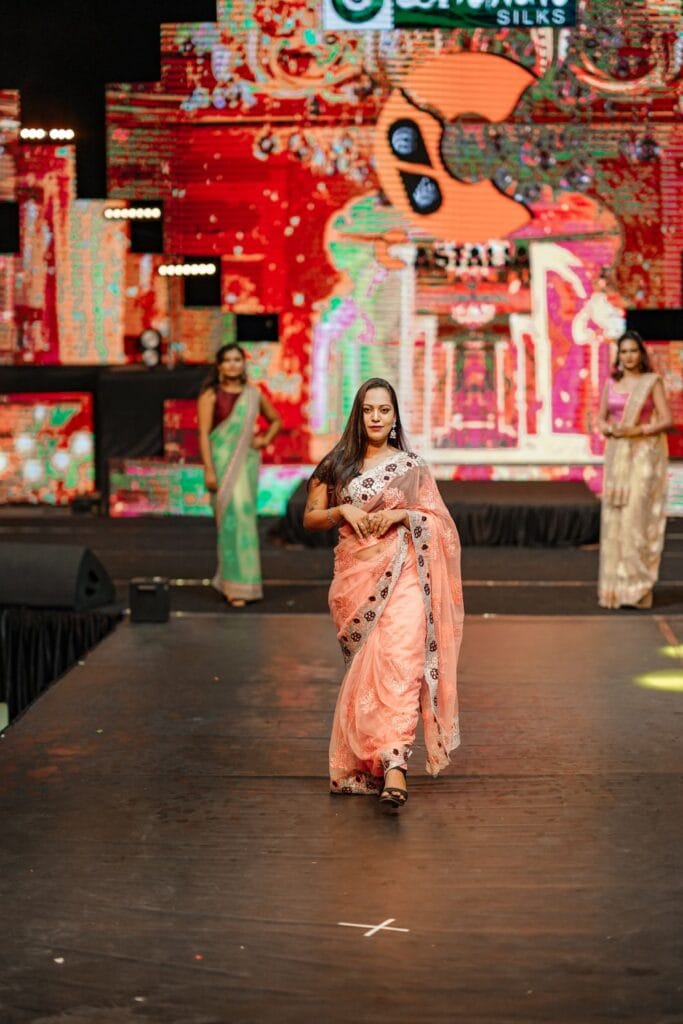
Before a single detail is noticed, the eye reads a garment’s silhouette. Its overall shape, and the proportions within it, form the foundation on which all other design decisions rest. Mastering proportion and silhouette is what separates clothing that simply covers the body from design that flatters and delights it.
Understanding these foundations reveals the quiet logic behind every beautiful garment.
What Silhouette Really Is
Silhouette is the outline of a garment, the shape it presents to the world. It can be fitted or full, soft or structured, elongated or compact. The silhouette sets the mood of a piece and often defines an era or a designer’s signature. It is the first and most powerful impression a garment makes.
Choosing a silhouette is therefore a foundational decision, shaping everything from fabric choice to construction.
The Role of Proportion
Within a silhouette, proportion governs the relationships between parts. Where a waist sits, how long a jacket falls, how wide a sleeve is cut, all of these decisions determine whether a garment feels balanced and flattering. Small changes in proportion can transform the character of a piece entirely.
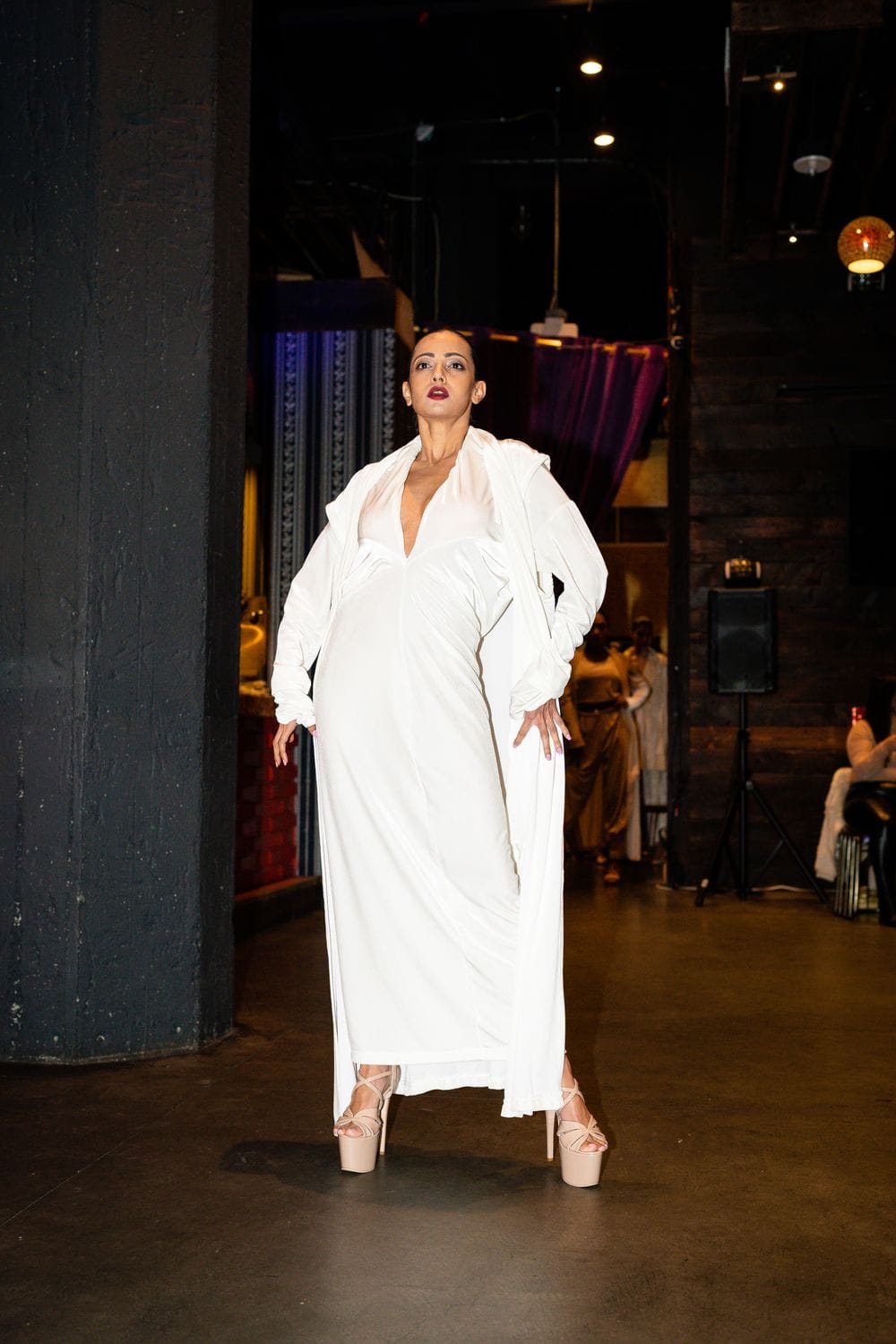
Proportion and the Body
Good proportion is not abstract. It must relate to the human body and to how a garment will be worn. A silhouette that looks striking as a sketch must still flatter and move well on a real person. This is one reason the fitting stage is so important, as it is where proportion is tested in reality, building on the work of the fitting session.
The finest designers develop an instinct for proportion, sensing when a line is right and when it needs adjustment. This instinct is honed through practice and close attention to how garments behave.
What Strong Proportion Achieves
- A silhouette that creates a clear, confident impression.
- Balanced relationships between the parts of a garment.
- Lines that flatter and move well on the body.
- A coherent character that supports the design intent.
The Architecture of Style
Proportion and silhouette are the architecture of style, the structure upon which detail and decoration depend. When they are right, everything else falls into place. When they are wrong, no amount of detail can rescue the garment. Realising a designer’s vision for shape and proportion depends on skilled making, the kind at the heart of production in Italy.
Proportion and the Spirit of an Era
Silhouette and proportion are also deeply tied to the spirit of their time. Each era has its characteristic shapes, and the way a garment balances volume and line can place it firmly within a moment or lift it beyond fashion entirely. Understanding this allows a designer to work with intention, choosing whether to reflect the present or to reach for something more enduring.
The most memorable designers often develop a signature sense of proportion that becomes instantly recognisable. This consistency of vision, applied across many garments, is one of the ways a brand builds a distinctive and lasting identity.
Refining Proportion in the Making
Proportion is not settled on paper alone. It must be tested and refined as a garment is made, since the way cloth behaves on the body can shift the balance of a design in subtle but important ways. Small adjustments during development often make the difference between a silhouette that almost works and one that feels exactly right.
This is why the relationship between design and making is so important. A skilled production partner helps translate a designer’s intended proportions faithfully into the finished garment, preserving the balance that gives the piece its character within thoughtful production in Italy.
Frequently Asked Questions
What is the difference between silhouette and proportion?
Silhouette is the overall outline of a garment, the shape it presents to the world, whether fitted or full, soft or structured. Proportion concerns the relationships between the parts within that silhouette, such as where a waist sits, how long a jacket falls or how wide a sleeve is cut. Silhouette makes the first impression, while proportion determines whether the garment feels balanced and flattering. Together they form the foundation of a garment’s style.
How is proportion refined during the making of a garment?
Proportion is not settled on paper alone. As a garment is made, the way the cloth behaves on the body can shift the balance of a design in subtle but important ways. Small adjustments during development, often made at the fitting stage, can make the difference between a silhouette that almost works and one that feels exactly right. A skilled production partner helps translate the designer’s intended proportions faithfully into the finished piece.
Let’s create your collection together
If you would like to develop or produce a collection with the craftsmanship of Made in Italy, tell us about your project using the form below and our team will get back to you to start your production.
Leave your details and continue to the project form. Your answers are saved as you type, so you can stop and come back to it.