

Some of the most important elements of a garment are the ones hidden inside it. Linings and underlinings are layers the wearer rarely sees, yet they shape the comfort, structure and refinement of a piece in profound ways. A garment without thoughtful lining can feel unfinished, while one with carefully considered inner layers feels complete and luxurious.
Understanding these hidden layers reveals a great deal about how quality is built into a garment from the inside out.
What a Lining Does
A lining is an inner layer that finishes the interior of a garment. It is often the first thing a wearer feels when putting a garment on, making it central to the experience of wearing. Beyond comfort, a lining helps a garment slip on easily and conceals the internal construction.
A well-chosen lining also helps a garment hang correctly, adding a subtle weight and smoothness that improves how it falls on the body. This is why the lining deserves as much consideration as the outer fabric.
The Role of Underlining
An underlining is a layer attached to the back of the main fabric before construction, working with it as one. Unlike a lining, which finishes the interior, an underlining adds support, opacity or structure to the outer cloth itself. It can give a delicate fabric more body or prevent a light fabric from being see-through.
Underlining is a quiet but powerful tool, allowing a maker to enhance a fabric’s behaviour without changing its appearance, a refinement connected to the craft of internal support.
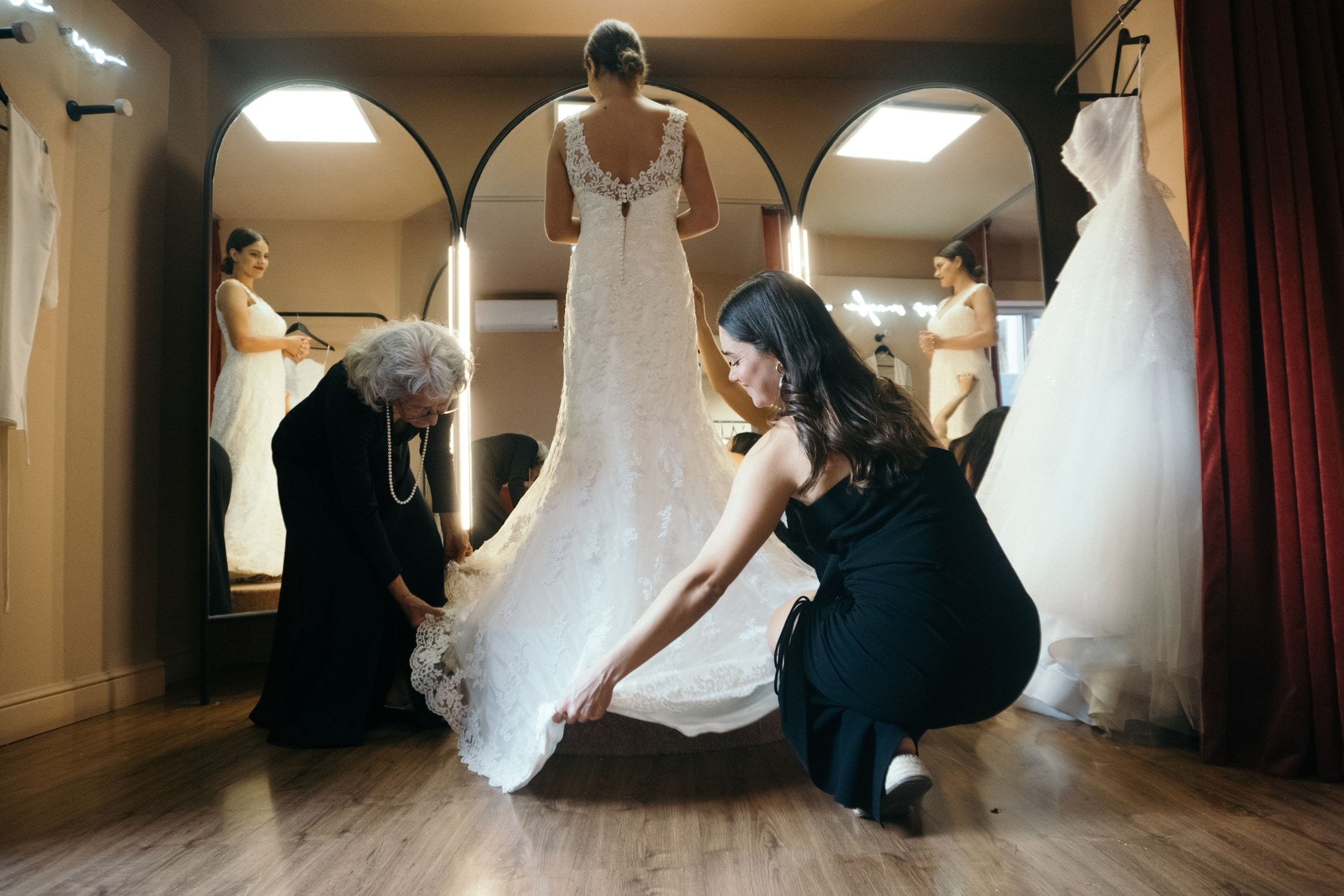
Choosing the Right Lining Fabric
The choice of lining fabric matters greatly. It must complement the outer cloth in weight and behaviour, neither pulling nor sagging. A fine silk lining brings luxury and breathability, while other materials offer different qualities. The lining should feel pleasant against the skin and suit the garment’s purpose.
Matching the lining to the outer fabric is a skilled decision, one that affects both comfort and the way the finished garment behaves over time.
Construction and Movement
How a lining is constructed and attached is as important as the choice of fabric. A lining must allow the garment to move freely, which is why details such as pleats of ease are often built in. Too tight, and the lining restricts the garment; too loose, and it sags or shows.
This balance requires careful construction, reflecting the same attention found throughout considered garment construction.
Linings as a Mark of Quality
Because they are largely unseen, linings are a reliable indicator of a garment’s quality. A beautifully lined garment shows that the maker cared about every aspect of the piece, not only what is visible. This attention to the interior is a hallmark of luxury.
The pleasure of a well-lined garment is felt every time it is worn, a quiet luxury that customers come to appreciate deeply.
The Inner Architecture
Linings and underlinings form part of the inner architecture of a garment, working alongside interfacing and structure to create a piece that feels complete. Each plays its role in comfort, shape and refinement.
When these hidden layers are considered with care, the result is a garment that feels exceptional from the inside out, reflecting the standards of thoughtful production in Italy.
What Hidden Layers Provide
- Comfort and an easy, pleasant feel against the skin.
- Support and opacity through underlining.
- A clean interior that conceals construction.
- Help with how a garment hangs and moves.
For a brand, investing in fine linings and underlinings is a way of demonstrating care that customers come to recognise and value. These hidden layers shape the daily experience of wearing a garment, from the moment it slips on to the way it moves through the day. A customer may never consciously examine a lining, yet they feel its quality every time they wear the piece. This is the quiet power of the unseen, and it is one of the clearest signs that a garment has been made by people who refused to compromise on any part of it, visible or not.
Frequently Asked Questions
What is the difference between a lining and an underlining?
A lining is an inner layer that finishes the interior of a garment, providing comfort, concealing the construction and helping the garment slip on and hang well. An underlining is attached to the back of the main fabric before construction and works with it as one layer, adding support, structure or opacity to the outer cloth itself. In short, a lining finishes the inside, while an underlining enhances the behaviour of the main fabric.
Why does the choice of lining matter so much?
The lining is often the first thing a wearer feels, so it shapes the experience of wearing a garment. It must complement the outer fabric in weight and behaviour, feel pleasant against the skin and allow the garment to move freely. A well-chosen, well-constructed lining helps a garment hang correctly and adds a sense of luxury, while a poor one can pull, sag or feel unpleasant. This is why linings deserve careful consideration.
Let’s create your collection together
If you would like to develop or produce a collection with the craftsmanship of Made in Italy, tell us about your project using the form below and our team will get back to you to start your production.
Leave your details and continue to the project form. Your answers are saved as you type, so you can stop and come back to it.