

The hem is one of the most overlooked parts of a garment, yet it is among the most revealing. As the finishing edge of a piece, it quietly communicates the level of care that went into the making. A beautifully finished hem speaks of quality, while a careless one can undermine an otherwise lovely garment.
Understanding hemming and edge finishes reveals the craft hidden at the bottom of every well-made piece.
Why Hems Matter
The hem finishes a garment and is often visible and close to the eye, particularly on skirts, dresses and trousers. Its evenness, its weight and the way it falls all affect the overall impression. A hem that hangs cleanly and evenly is a sign of careful making.
Because it is so visible, the hem deserves the same attention as any other part of the garment, reflecting the principles of considered finishing.
Choosing the Right Hem
There are many ways to finish a hem, and the right choice depends on the fabric and the design. A fine rolled hem suits delicate fabrics, a blind hem offers an invisible finish, and a deep hem adds weight and structure. Each technique creates a different effect and serves a different purpose.
Selecting the appropriate hem is part of the skill of finishing, ensuring the edge suits both the cloth and the garment.
The Importance of Even Hems
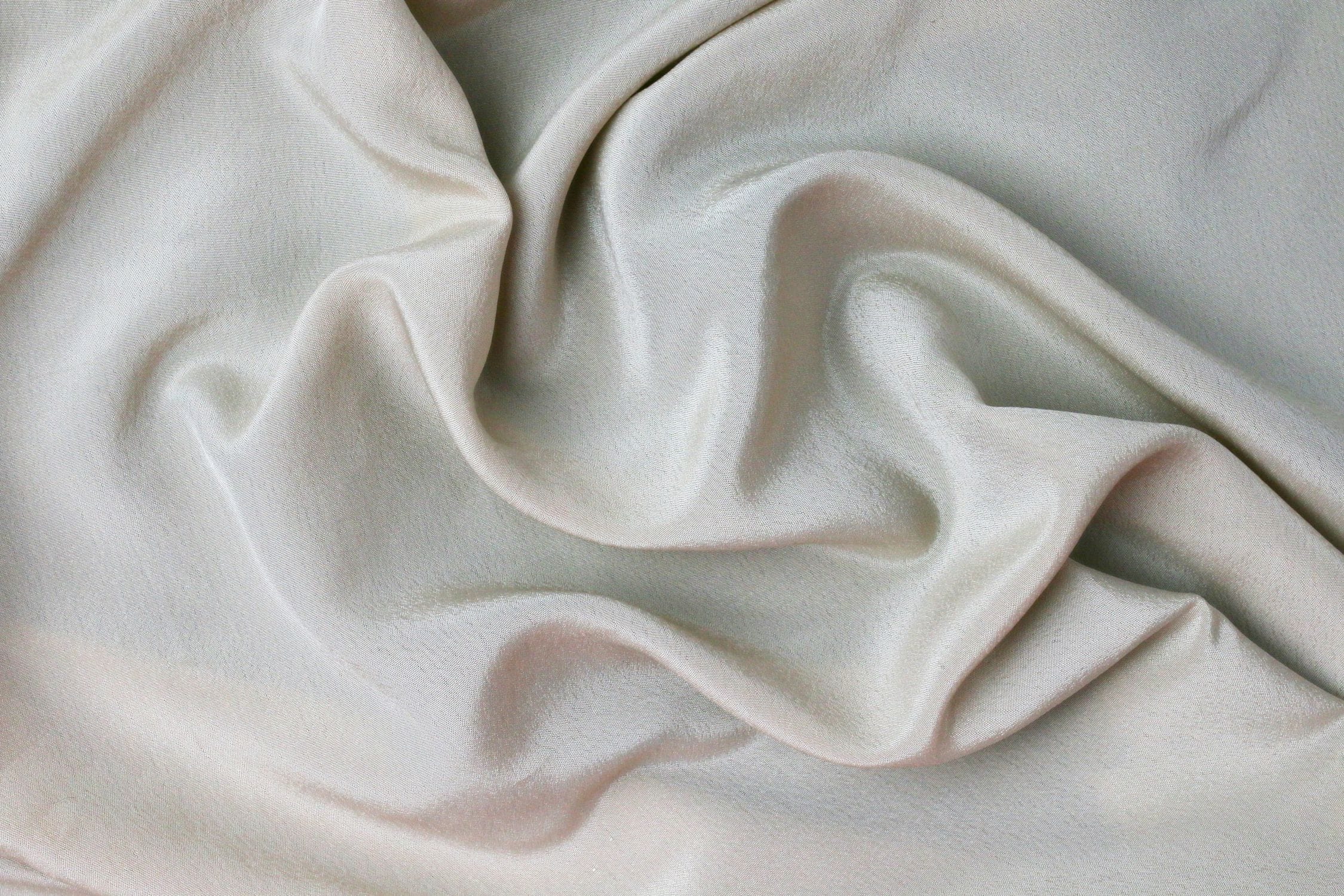
An even hem is essential to a garment hanging correctly. On a dress or skirt, an uneven hem is immediately noticeable and disrupts the line of the garment. Achieving evenness requires careful measuring, marking and, on bias-cut or fluid garments, allowing the fabric to settle before the hem is finished.
This patience and precision are particularly important on garments cut on the bias, where the fabric can shift over time.
Edge Finishes Beyond the Hem
Hemming is part of a broader craft of edge finishing. Necklines, openings and other edges all require clean, stable finishes that hold their shape and look refined. The techniques used, from facings to bindings, contribute to the overall quality of the garment.
These finishes, though often unseen in detail, are part of what gives a garment its sense of completeness.
The Quiet Mark of Quality
Hems and edges may be small details, but they are among the clearest indicators of quality. A garment finished with care at every edge feels resolved and considered, while neglected edges betray shortcuts.
Attention to these details is a hallmark of fine making, the kind that defines thoughtful production in Italy.
What Defines a Quality Hem
- A hem technique suited to the fabric and design.
- An even hem that allows the garment to hang correctly.
- Patience with bias and fluid fabrics before finishing.
- Clean, stable finishes at every edge.
Care That Reaches Every Edge
The quality of a garment is revealed not only in its most visible features but in the care that reaches every edge. A flawless hem, a clean neckline finish and stable, refined edges throughout all speak of a maker who refused to cut corners. These details accumulate into an overall impression of quality that customers feel even when they cannot name its source.
For a brand, this consistency of finish is a powerful and quiet signal of standards. It tells customers that every part of the garment, seen and unseen, has been considered. Achieving it requires patience and skill at the finishing stage, which is why attention to hems and edges is such a reliable mark of fine production.
Frequently Asked Questions
Why does the type of hem matter?
Different fabrics and designs call for different hems, and the right choice affects both the look and the behaviour of the garment. A fine rolled hem suits delicate fabrics, a blind hem gives an invisible finish, and a deep hem adds weight and helps a garment hang well. Choosing the appropriate hem is part of the skill of finishing, ensuring the edge complements the cloth and supports the overall design rather than detracting from it.
Why do some garments need to rest before hemming?
Garments cut on the bias or made from fluid fabrics can stretch and shift over time. If they are hemmed immediately, the hem may become uneven once the fabric settles. Allowing these garments to hang and rest before the hem is finished lets the fabric reach its natural length, so the finished hem stays even. This patience is an important part of achieving a clean, professional result on bias and fluid garments.
Let’s create your collection together
If you would like to develop or produce a collection with the craftsmanship of Made in Italy, tell us about your project using the form below and our team will get back to you to start your production.
Leave your details and continue to the project form. Your answers are saved as you type, so you can stop and come back to it.