
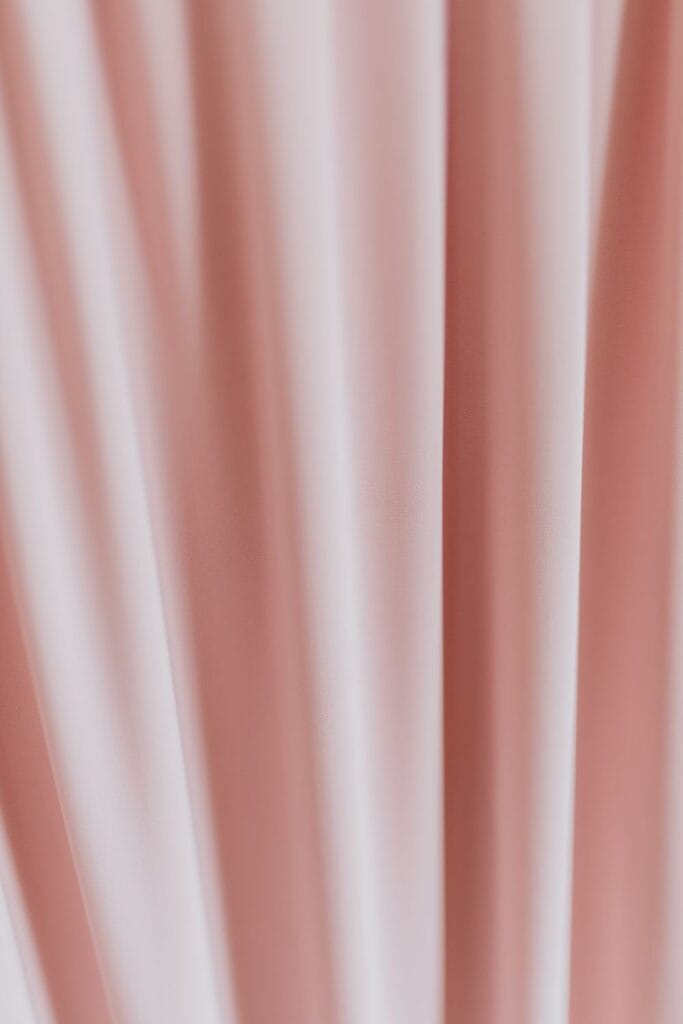
One of the most fundamental yet least understood concepts in garment making is fabric grain. The direction of the threads in a woven fabric profoundly affects how a garment hangs, drapes and behaves. Respecting the grain is essential to creating garments that fall beautifully, while ignoring it leads to twisting, sagging and distortion. Understanding grain reveals a hidden principle behind every well-made garment.
It is a concept that quietly governs the success of a garment from the moment it is cut.
What Fabric Grain Is
Woven fabric is made of threads running in two directions, the lengthwise warp and the crosswise weft. The grain refers to the direction of these threads. The lengthwise grain runs parallel to the selvedge and is the most stable, while the crosswise grain has a little more give.
There is also the bias, the diagonal direction, which behaves quite differently and is explored in our look at the bias cut.
Why Grain Affects a Garment
The grain determines how a fabric behaves in a garment. Pieces cut on the lengthwise grain hang straight and stable, which is why most garments are cut this way. Cutting off-grain, by contrast, causes a garment to twist or hang incorrectly, distorting its intended line.
This is why respecting the grain is so important during cutting, a principle central to the work of the cutting room.
Aligning the Pattern
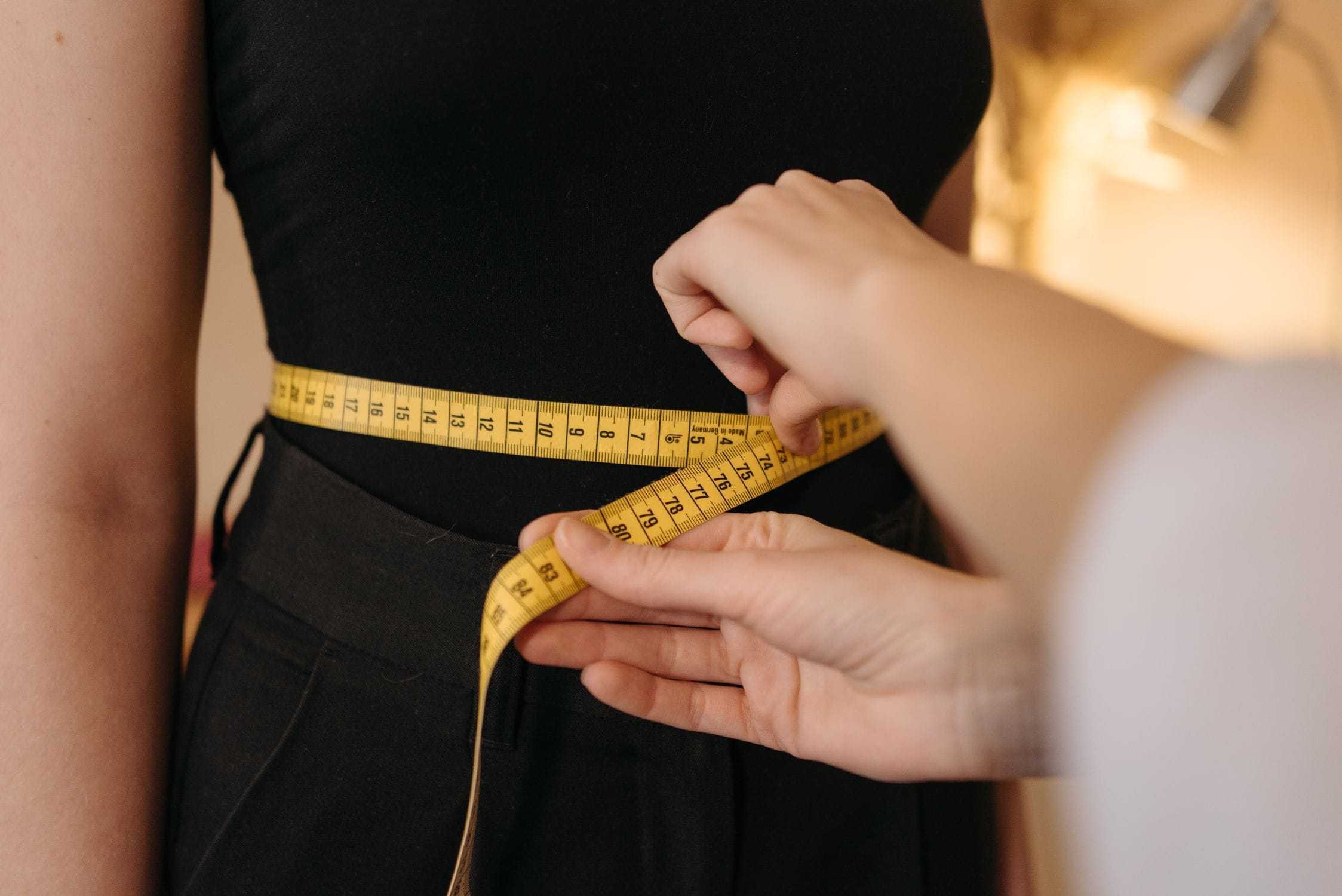
To respect the grain, each pattern piece must be aligned correctly with the fabric before cutting. Pattern pieces carry grain lines that indicate how they should be positioned. Careful alignment ensures that each piece behaves as intended in the finished garment.
This careful placement is a fundamental part of accurate cutting, and errors here carry through the entire garment.
Grain and Drape
The grain also affects how a fabric drapes. The same fabric will drape differently depending on the direction in which it is cut, which is why designers and makers consider grain when planning a garment’s movement and fall. Choosing the right grain direction is part of achieving the intended effect.
This relationship between grain and drape connects closely to the broader craft of working with fabric.
Patterned Fabrics and Grain
On patterned fabrics, respecting the grain also helps ensure that designs run straight and align correctly. A garment cut off-grain can show a pattern that appears skewed, even if the fabric itself is beautiful. Attention to grain is therefore essential to a clean, professional result.
This care is part of what distinguishes a well-made garment from a carelessly cut one.
A Hidden Foundation
Fabric grain is a hidden foundation of garment making, quietly shaping how every piece behaves. Respecting it is essential to creating garments that hang and drape beautifully, and ignoring it undermines even the finest materials and designs.
This attention to a fundamental principle is part of the expertise that defines thoughtful production in Italy.
Why Grain Matters
- It determines how a garment hangs and behaves.
- Off-grain cutting causes twisting and distortion.
- It affects how a fabric drapes.
- It keeps patterns running straight and aligned.
For a brand, attention to grain is one of those quiet fundamentals that separates well-made garments from careless ones. Customers may never think about grain, yet they immediately sense when a garment hangs cleanly and beautifully, and equally when it twists or sits awkwardly. Respecting the grain at the cutting stage is therefore an investment in the everyday quality of a garment, ensuring it behaves as the designer intended throughout its life. It is a principle invisible to the eye yet essential to the result, and a reliable mark of careful, knowledgeable making.
Frequently Asked Questions
What is fabric grain?
Fabric grain refers to the direction of the threads in a woven fabric. Woven cloth is made of threads running lengthwise, called the warp, and crosswise, called the weft. The lengthwise grain runs parallel to the selvedge and is the most stable, while the crosswise grain has a little more give. The diagonal direction, known as the bias, behaves differently again. Grain profoundly affects how a garment hangs, drapes and behaves.
Why does cutting on the grain matter?
Cutting on the grain ensures a garment hangs and behaves as intended. Pieces cut on the lengthwise grain hang straight and stable, which is why most garments are cut this way. Cutting off-grain causes a garment to twist, sag or hang incorrectly, distorting its line, and can make patterns appear skewed. Respecting the grain by aligning each pattern piece correctly during cutting is therefore fundamental to a clean, well-made garment.
Let’s create your collection together
If you would like to develop or produce a collection with the craftsmanship of Made in Italy, tell us about your project using the form below and our team will get back to you to start your production.
Leave your details and continue to the project form. Your answers are saved as you type, so you can stop and come back to it.